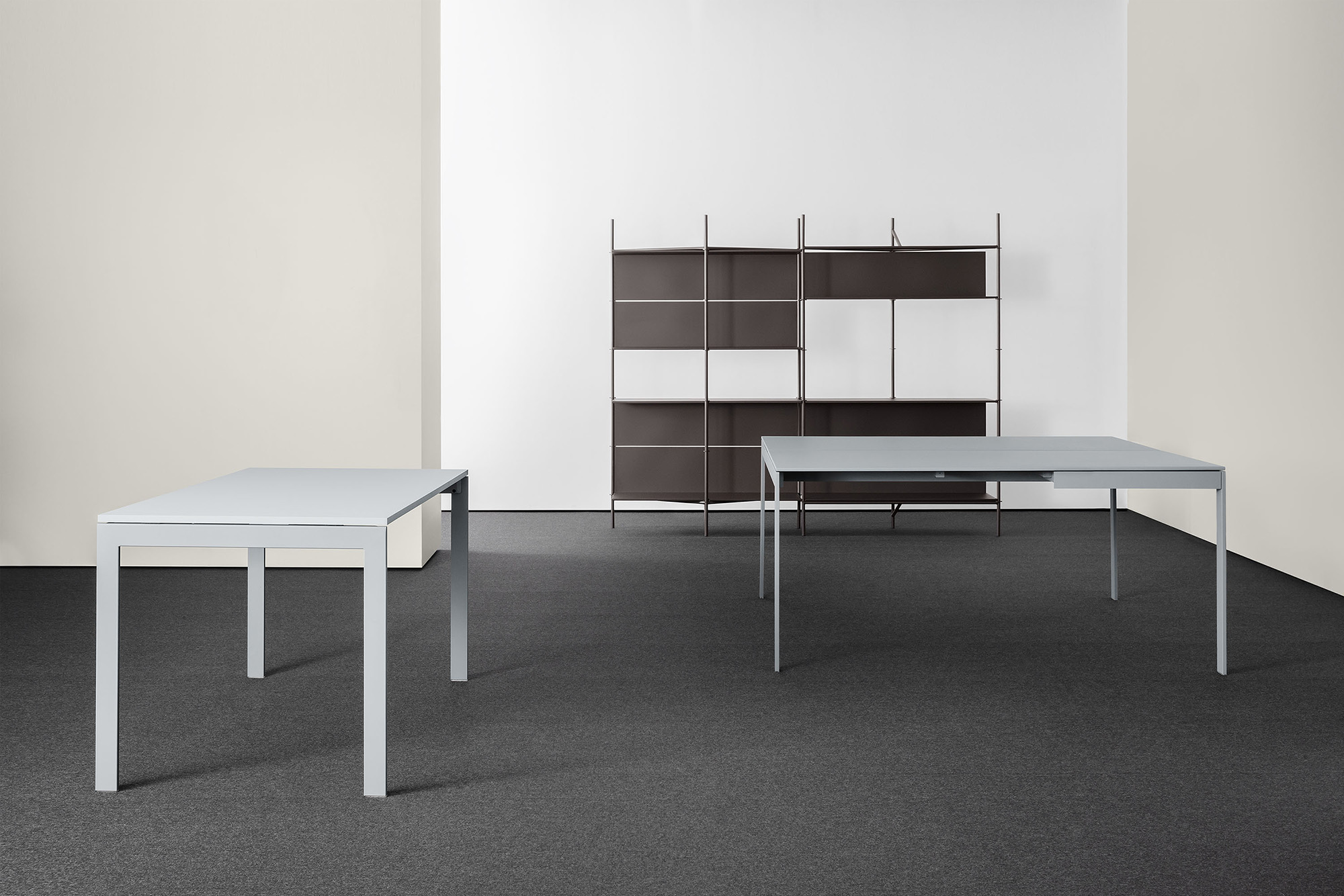
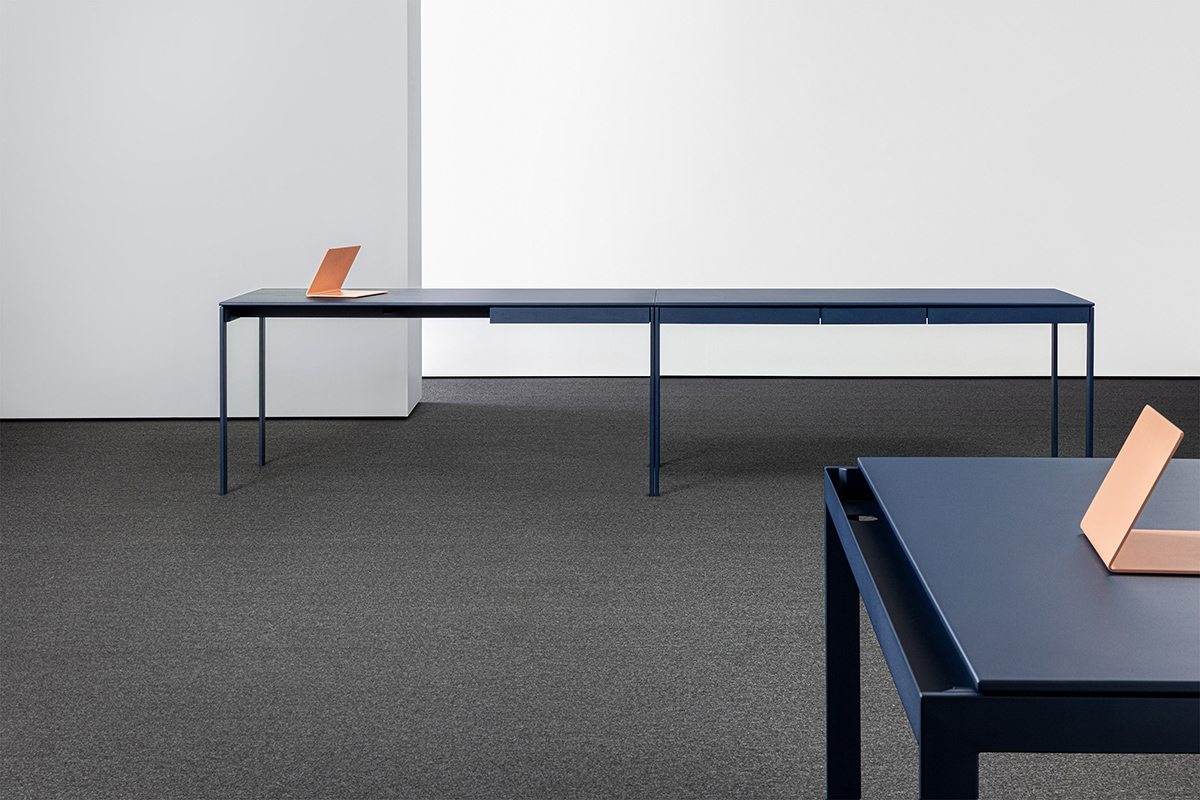
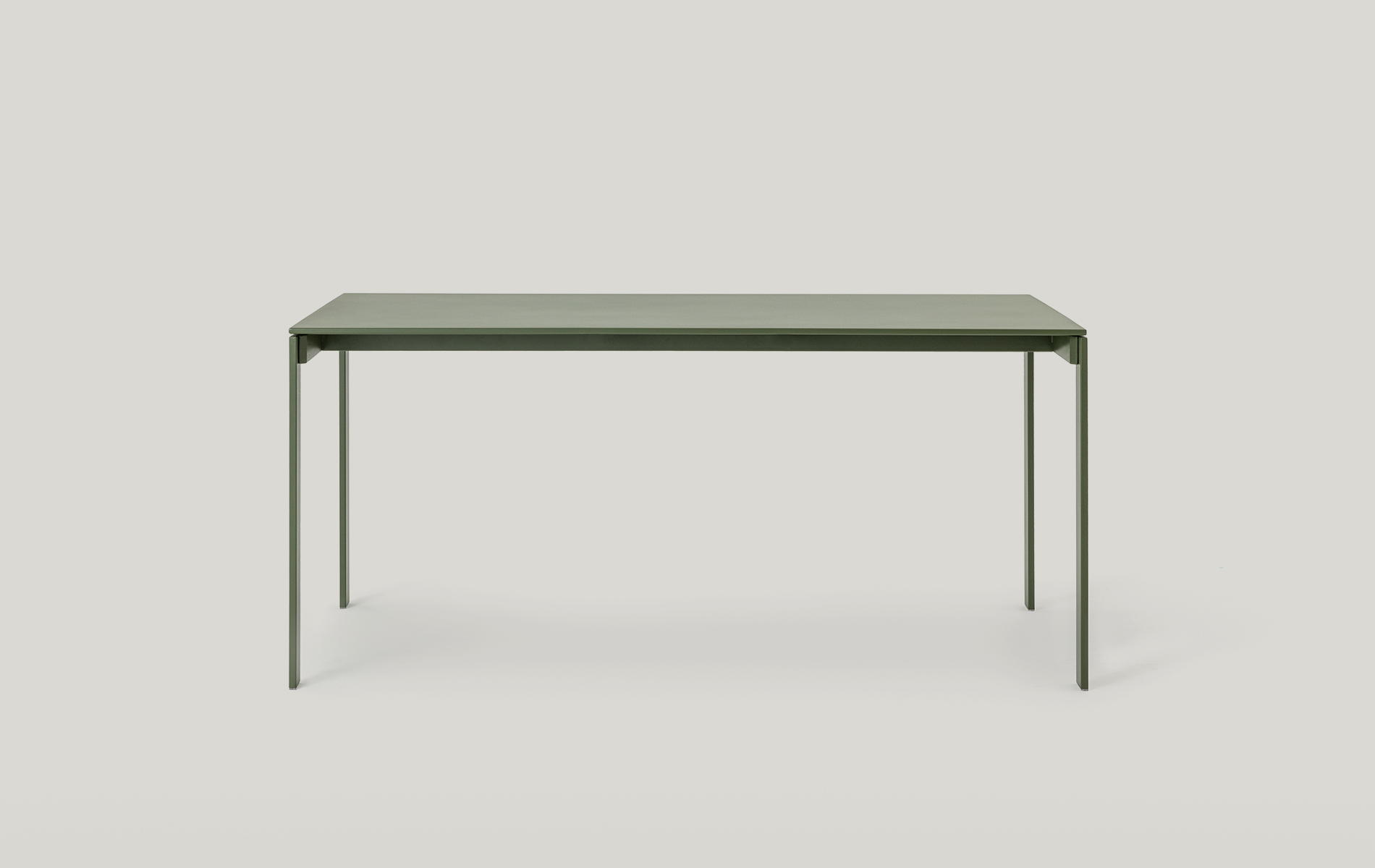
Mara has been collaborating since 2022 with Christophe Pillet, an internationally renowned French designer, known for his refined formal research and his preference for simplicity. On the basis of these shared principles, the company and the designer have given life to a project that enriches the Mara collections, orienting them towards the world of contract and residential.
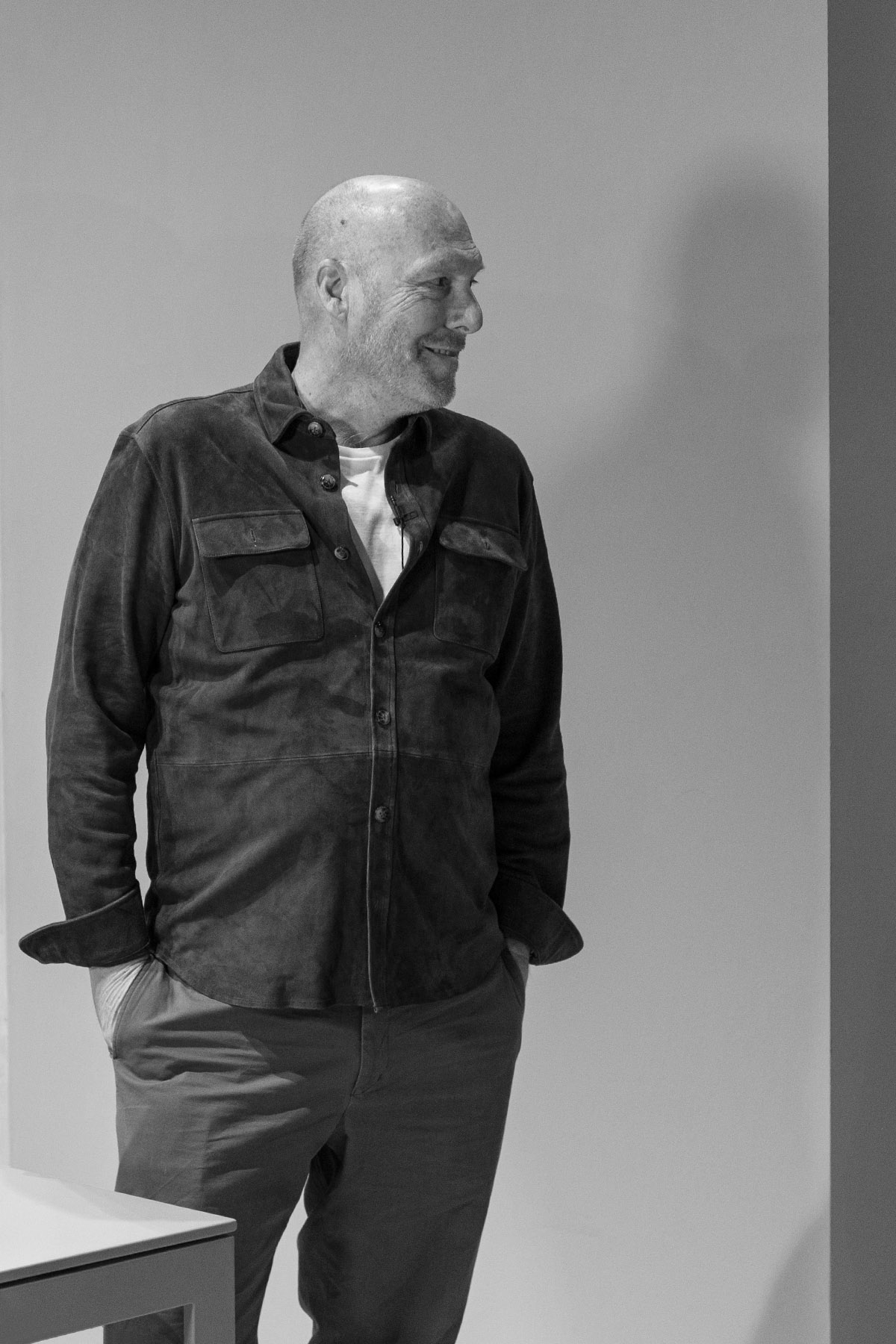
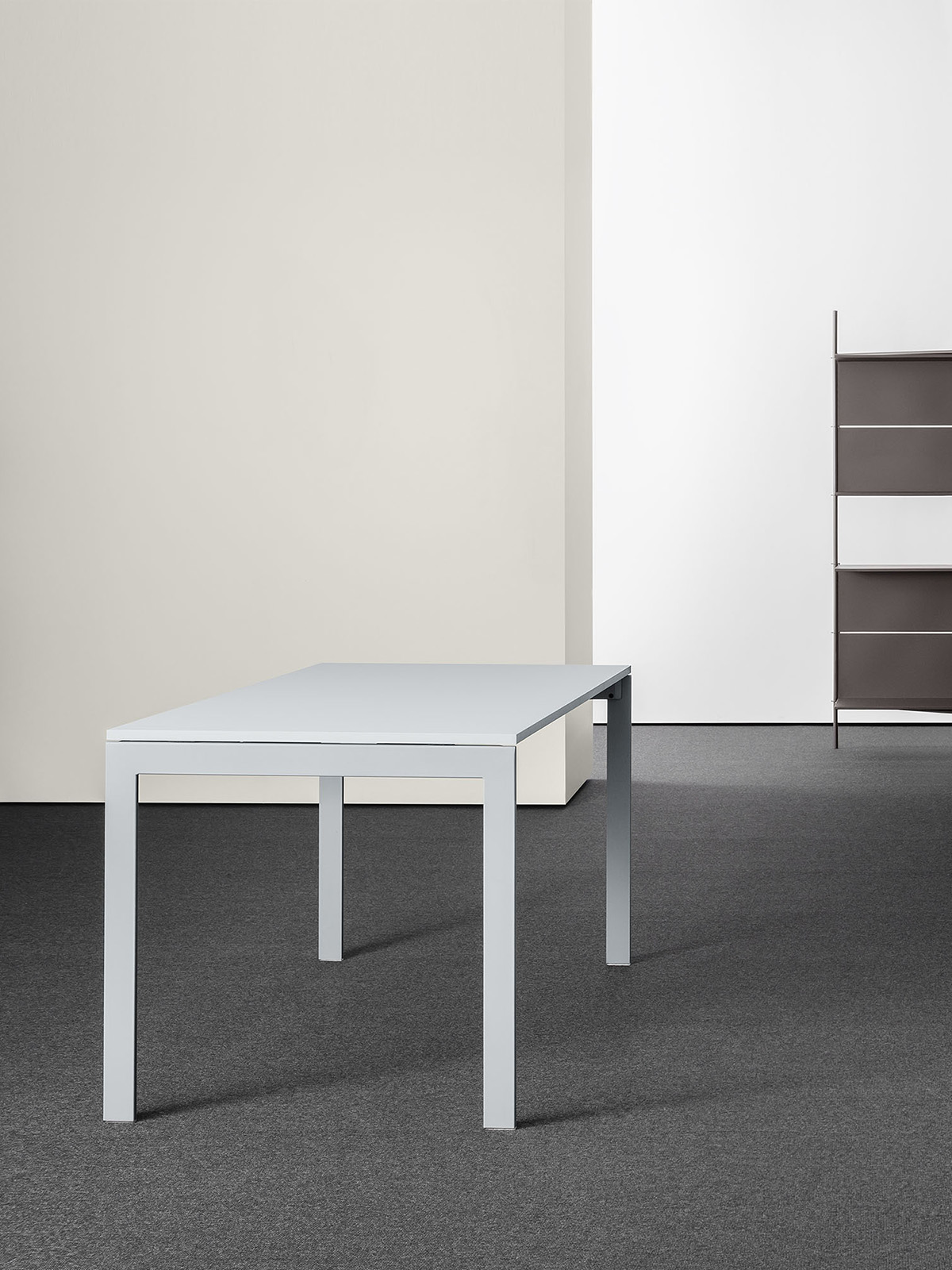
Mara’s sophisticated technology has given shape to Pillet’s thinking, translating it into products of essential elegance, capable of adapting to different types of contexts, from office to home.
Each piece thus becomes an archetype of design, which reveals its innovative nature precisely in the absence of apparent complexity.
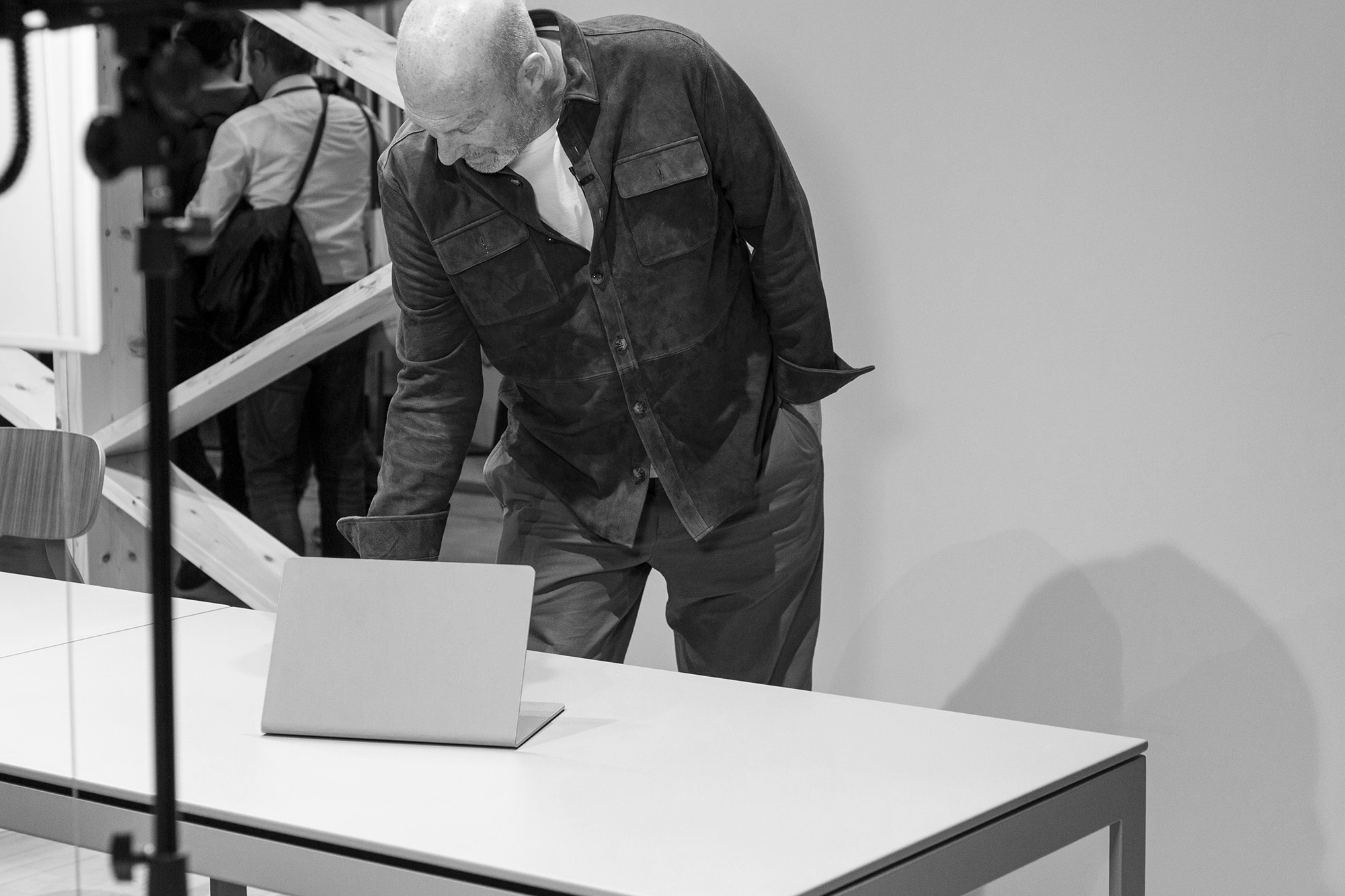

In Mara I found a very modern idea of the use of technology. It’s there, but it’s carefully hidden.
The mechanics disappear and the product is perfectly functional. This simplicity, this clarity and this ‘invisible mastery’ have conquered me from the very beginning.
In Mara I found a very modern idea of the use of technology. It’s there, but it’s carefully hidden.
The mechanics disappear and the product is perfectly functional. This simplicity, this clarity and this ‘invisible mastery’ have conquered me from the very beginning.
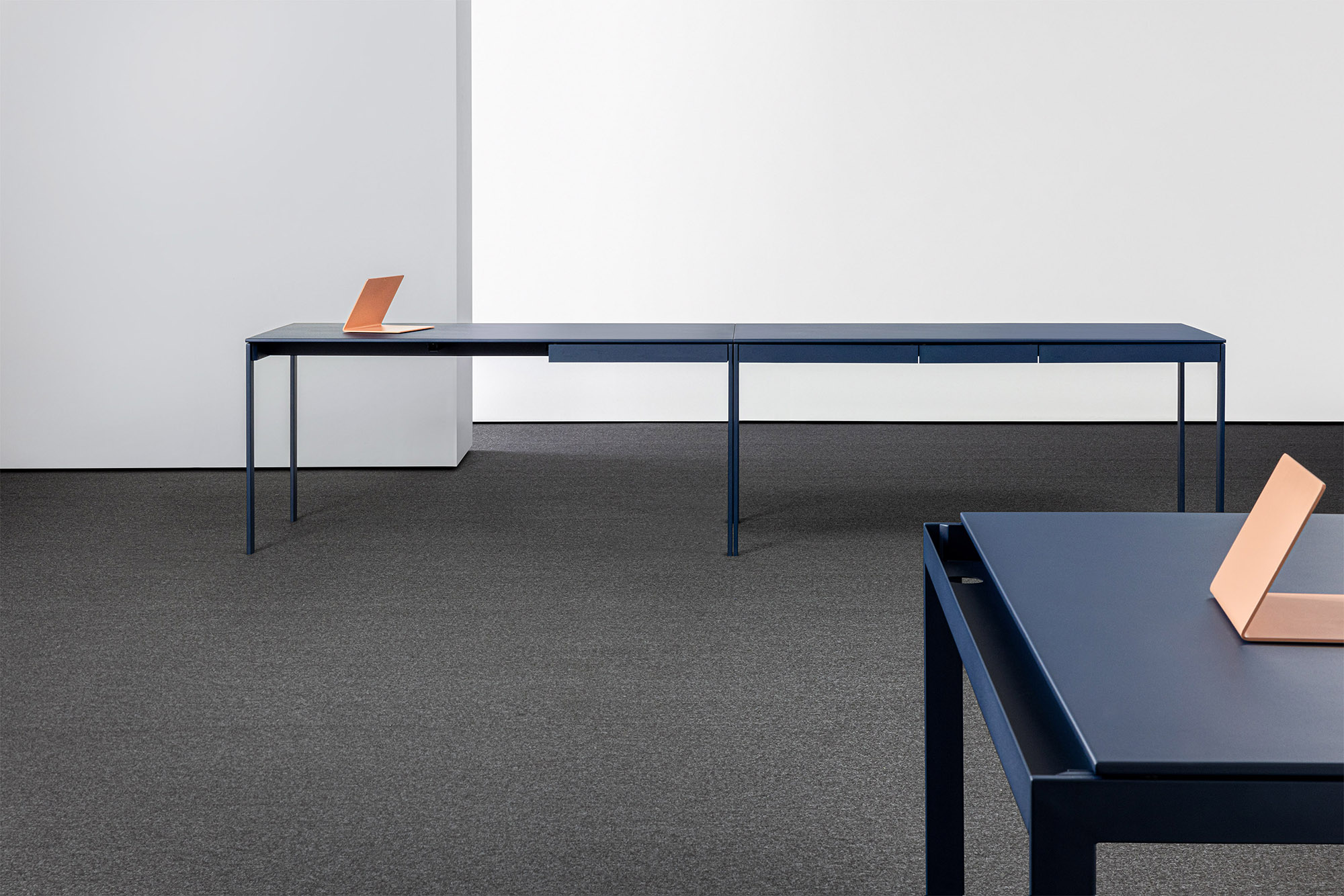
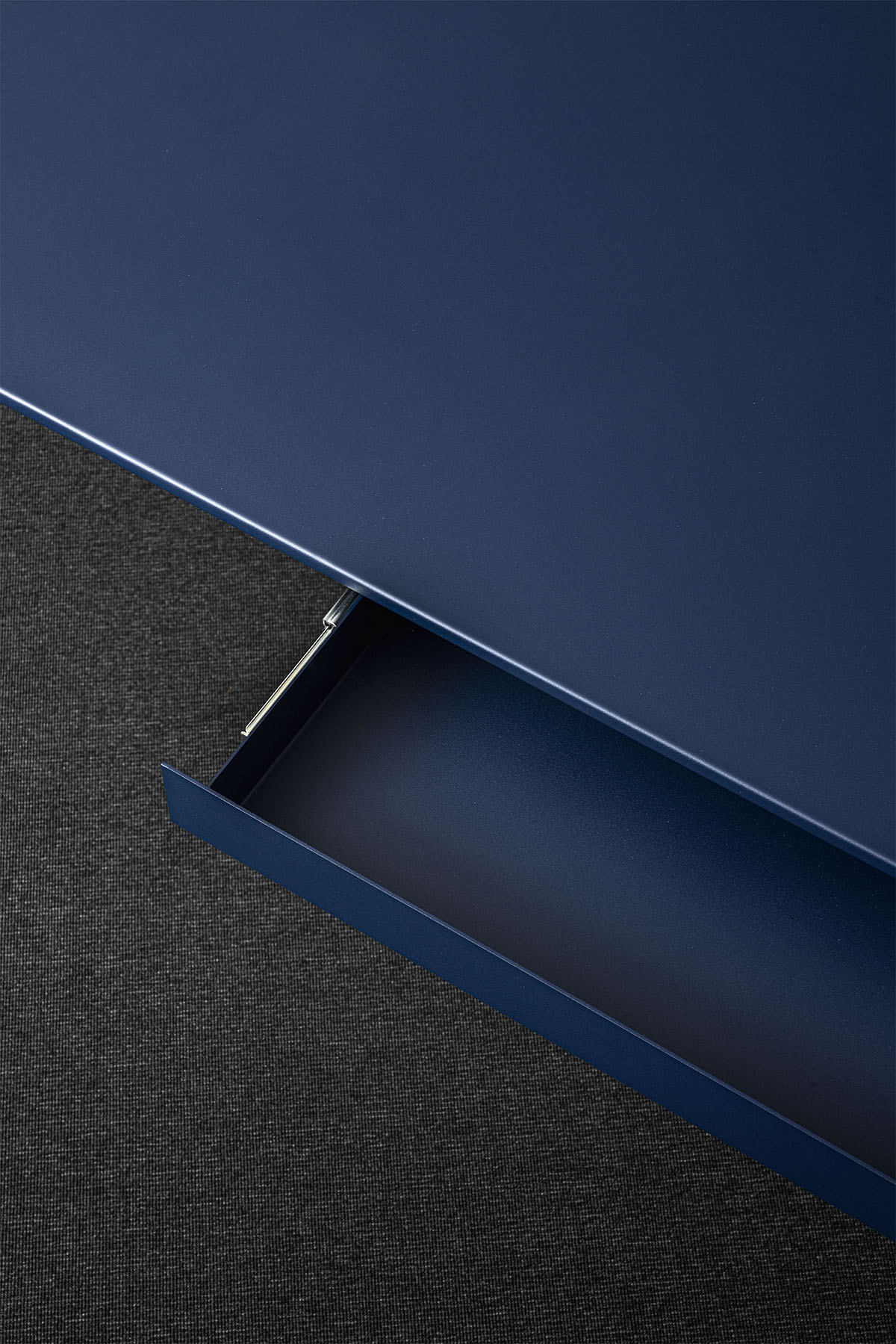
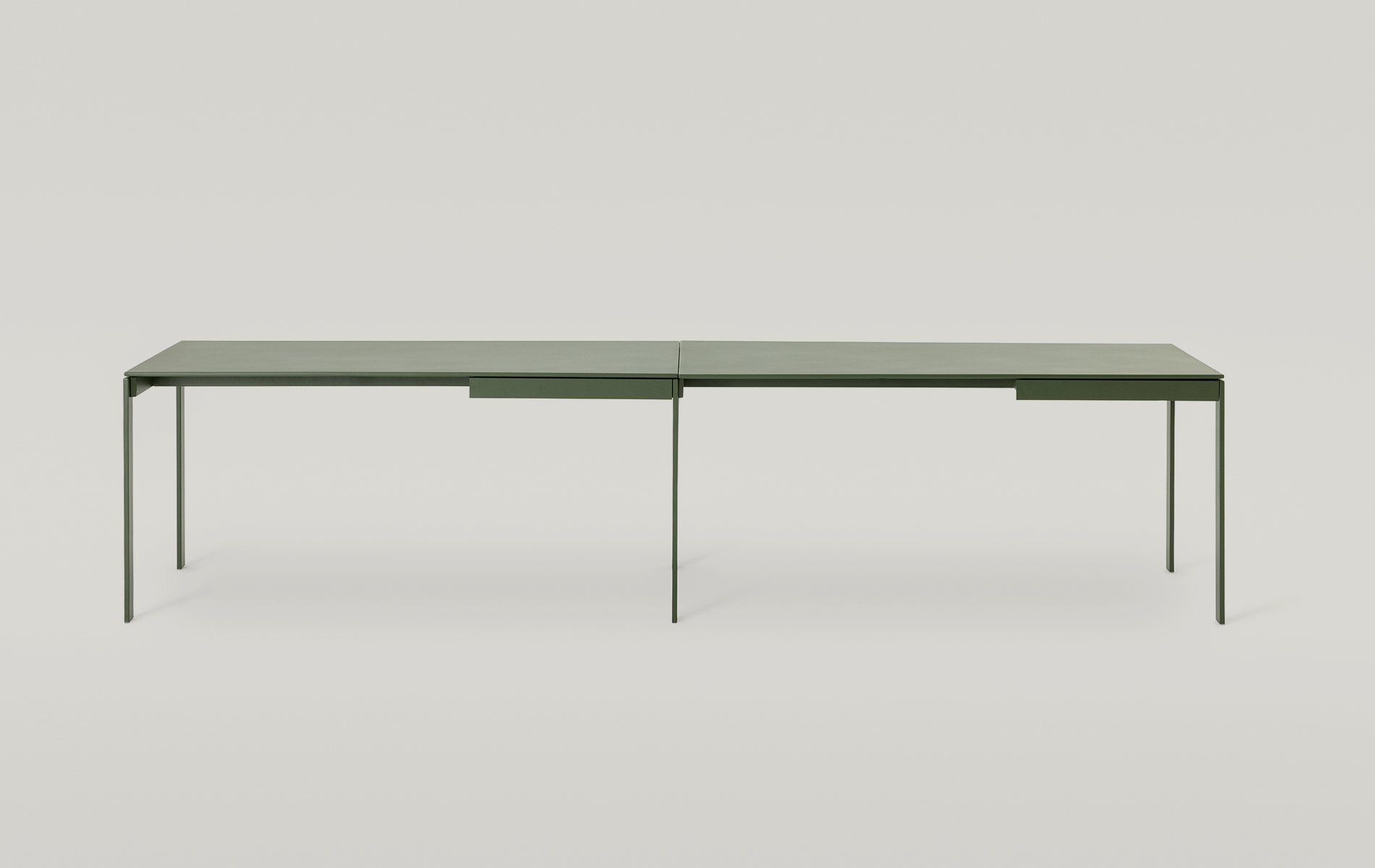
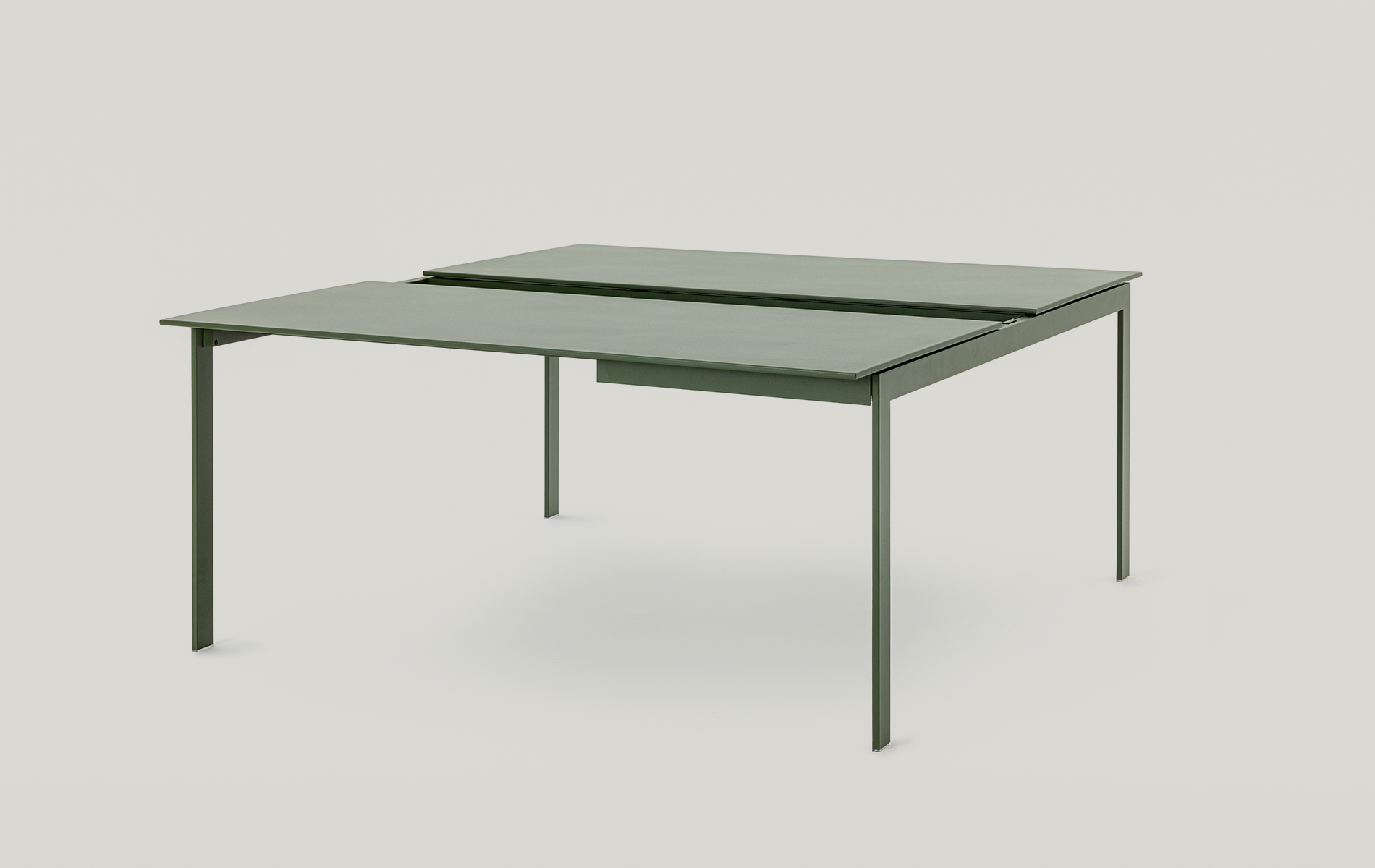
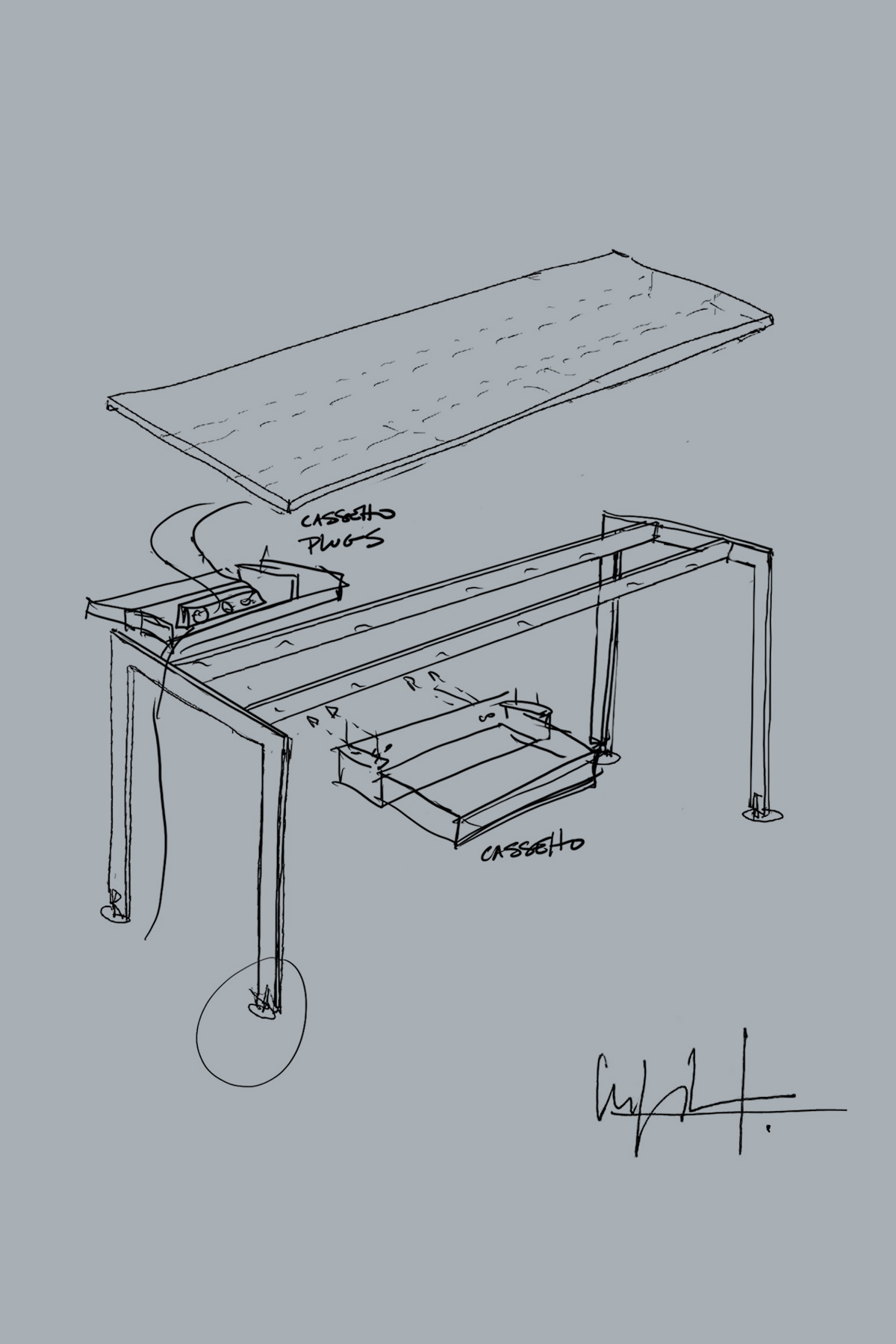
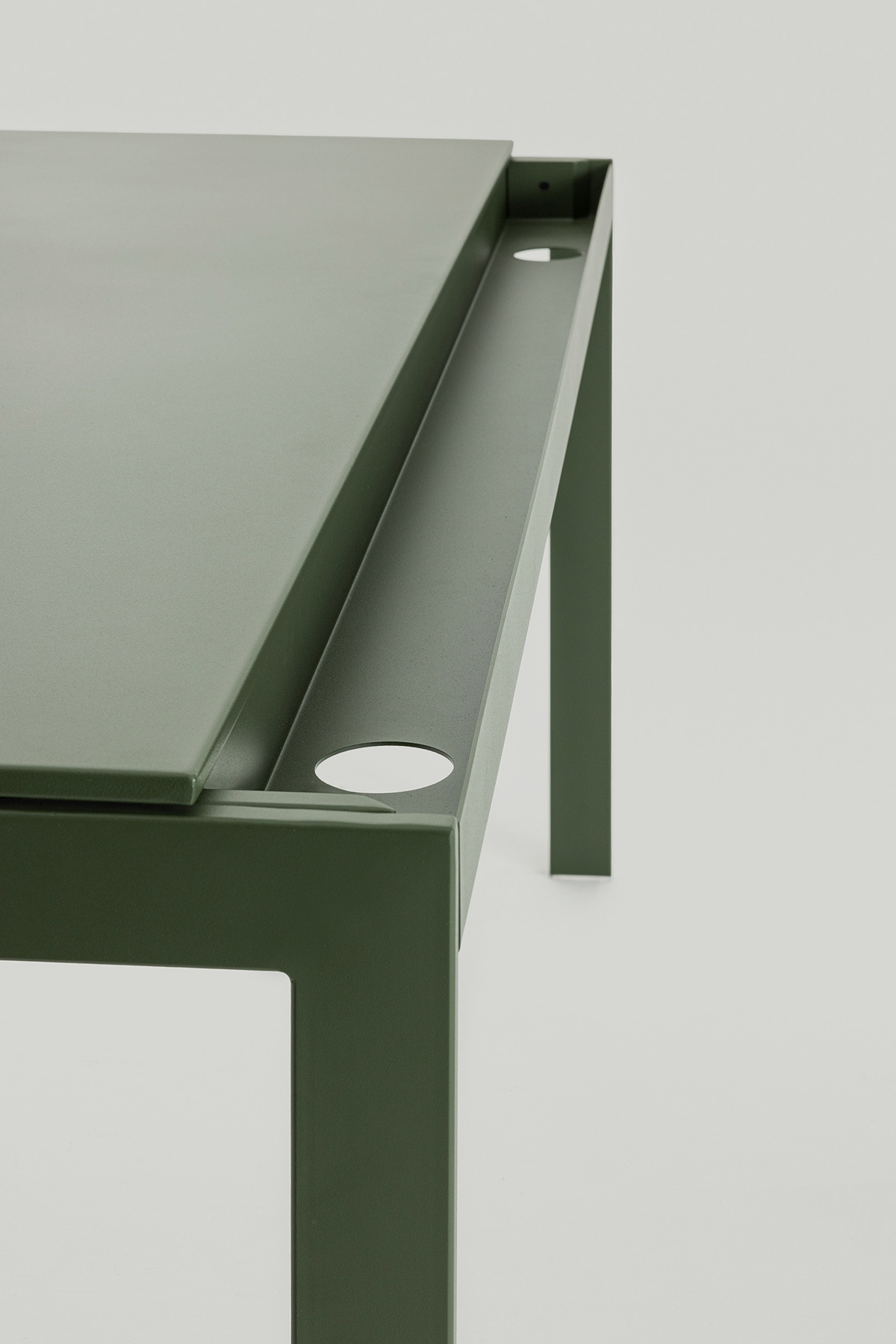
The frame, in fact, in addition to being an aesthetic detail, is functional to conceal the mechanical system, as well as any accessories with which Foil can be equipped, starting from the practical drawers.
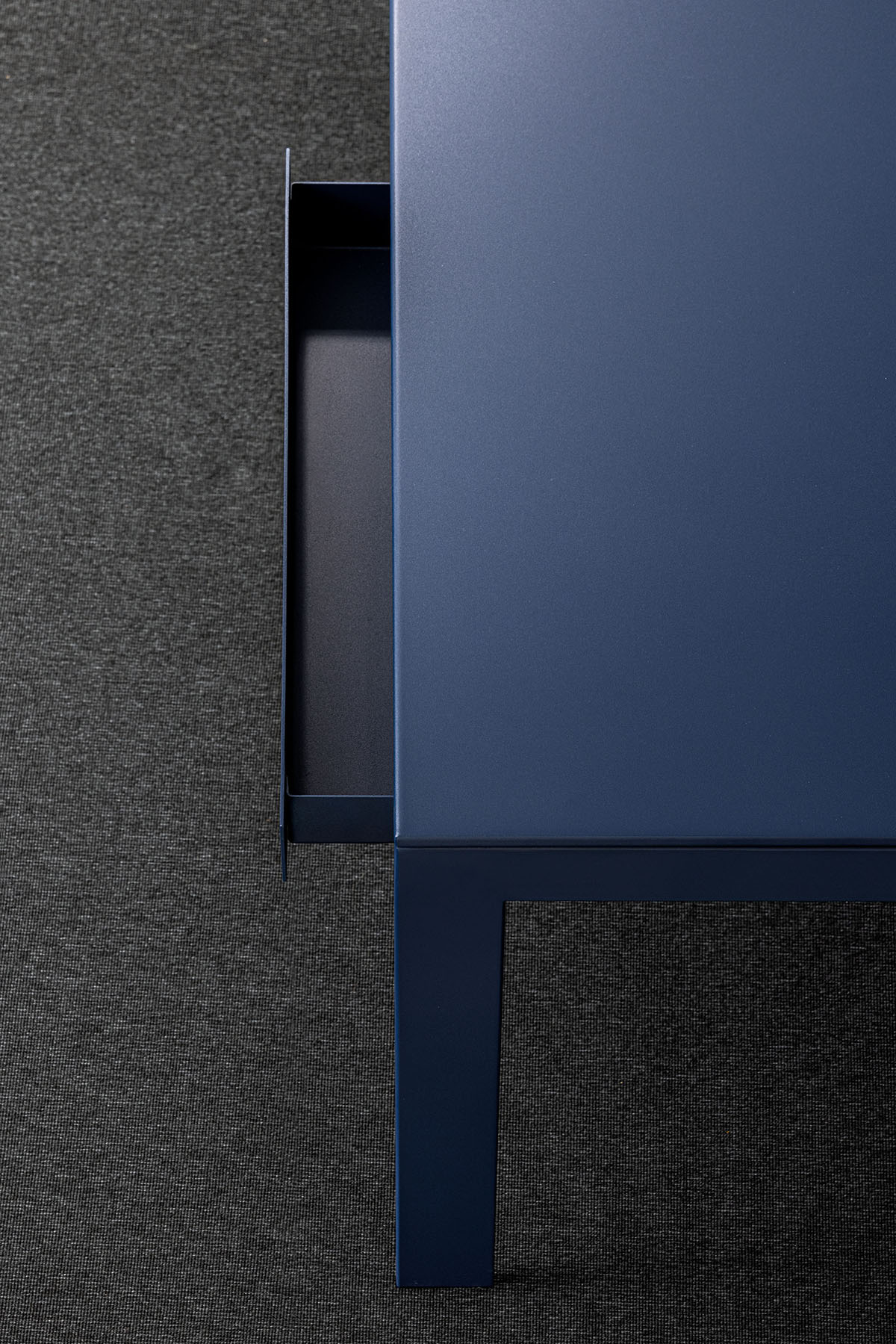
We wanted to create a table that could span from office contexts to residential.
The thing I was able to do as a designer is a work of proportion, of discipline,
of graphics: to hide things that are usually seen. To affirm things that are usually absent.
This work on simplicity is almost a Japanese work: you work to the half millimeter, you don’t work on the silhouette and the general appearance. You work on the light that makes the edge, on the air that is between two sheets of metal and these things that are almost invisible, the addition of these elements, become abysmal differences for me.
We wanted to create a table that could span from office contexts to residential.
The thing I was able to do as a designer is a work of proportion, of discipline,
of graphics: to hide things that are usually seen. To affirm things that are usually absent.
This work on simplicity is almost a Japanese work: you work to the half millimeter, you don’t work on the silhouette and the general appearance. You work on the light that makes the edge, on the air that is between two sheets of metal and these things that are almost invisible, the addition of these elements, become abysmal differences for me.
With Mara we have imagined an office dimension where silence reigns, where working well is the priority, where the human value equals, if not exceeds, that of the furniture element. The beauty of Foil, in fact, is also given by its ability to disappear in the space and leave the people the role of protagonist actors.
With Mara we have imagined an office dimension where silence reigns, where working well is the priority, where the human value equals, if not exceeds, that of the furniture element. The beauty of Foil, in fact, is also given by its ability to disappear in the space and leave the people the role of protagonist actors.